
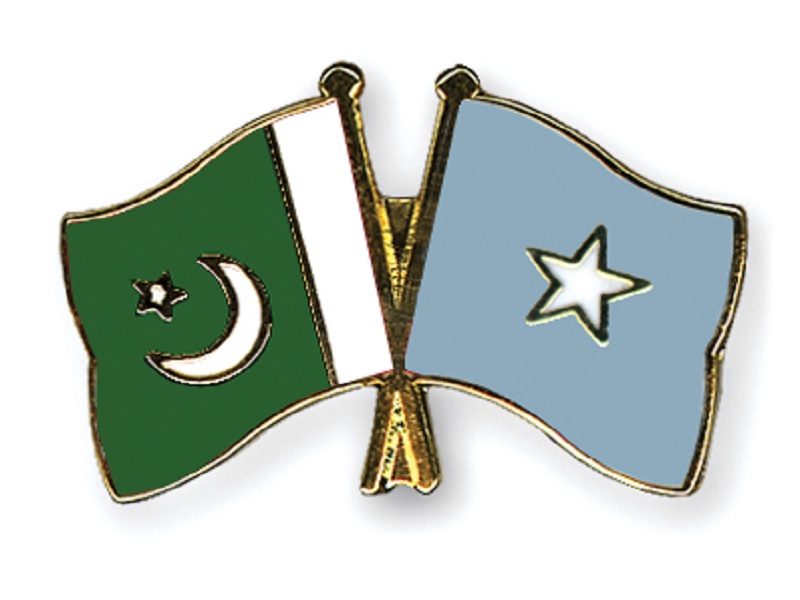
Pakistan and Somalia finally signed a memorandum of understanding (MOU) on defense cooperation in early August one year after the latter’s Cabinet approved such an arrangement last August. According to the Somali Defense Ministry, “[it] provides a framework for cooperation in counter-terrorism, military training, the exchange of military expertise and knowledge, defence capability development, and enhanced security cooperation”. Here’s what else it signifies:
———-
1. Pakistan Is Enhancing Its National Prestige
This latest defense pact follows last year’s mutual defense one with Saudi Arabia and recent speculation about expanding it to other Arab Kingdoms. Late last year, there were also rumors of Pakistan clinching a multibillion-dollar fighter jet deal with Eastern Libya, which preceded recent reports of Pakistan mediating a peace deal. It’s also reportedly seeking to sell arms to Sudan. The latest MOU with Somalia thus further enhances Pakistan’s national prestige by confirming its trans-regional military influence.
2. Somalia Is Now A Protectorate Of The “Islamic NATO”
Pakistan is the last member of the “Islamic NATO” – the presently unofficial trans-regional military-security coordination platform between itself, Saudi Arabia, Turkiye, and Egypt – to sign a defense pact with Somalia. This accordingly makes Somalia a de facto member of the aforesaid group, which solidifies the expansion of its influence over Africa following the solidification of these four’s influence over Libya and Sudan, but Somalia and the other two are junior partners therein and even arguably protectorates.
3. Pakistan Is Following In Turkiye’s Footsteps
It was observed in early January that “Pakistan Is Playing Second Fiddle To Turkiye In Afro-Eurasian Security” due to the pattern of it clinching military-security deals with countries that Turkiye already has such agreements with. As a brief backgrounder, Turkiye is Pakistan’s senior partner to whom it’s historically looked for guidance despite their nuclear asymmetry, and Turkiye was the first country in recent history to turn Somalia into a de facto protectorate. Pakistan is simply following in its footsteps.
4. Islamabad Might Have Broader Ambitions
Apart from enhancing its national prestige and following in Turkiye’s footsteps, Islamabad might intend to become a tangible stakeholder in the Bab el Mandeb through its new defense MOU with Mogadishu, which would align with both of their reported roles in the Saudi-led maritime coalition. This broader ambition would also represent the first tangible manifestation of the “Islamic NATO” since Egypt and Turkiye are reportedly part of this coalition too. They might all therefore obtain naval bases in Somalia.
5. Puntland & Somaliland Should Prepare For War
For the last point to be most effectively implemented, the renegade Somali region of Puntland and de facto independent Somaliland would have to be brought to heel, but that likely won’t happen anytime soon even with Somalia now de facto becoming the “Islamic NATO’s” protectorate. It’ll take time to properly train its armed forces, and the group’s four leading members are too focused on peace in the Gulf as well as the conflicts in Libya and Sudan, but they’re definitely in its long-term sights.
———-
In terms of the bigger picture, the top takeaway is that Somalia is now a de facto protectorate of the “Islamic NATO” after its last member just clinched a military-security deal with it. The main implication of this development is that Pakistan, Saudi Arabia, Egypt, and Turkiye are expected to synergize their respective efforts there with a view towards helping the federal government retake the two polities that it claims as its own but doesn’t presently control. Another major regional conflict is therefore brewing.