
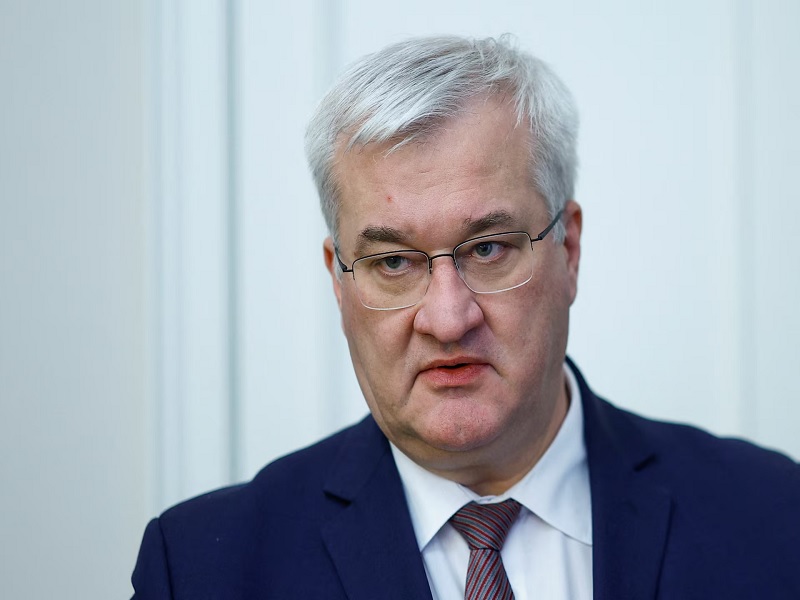
Ukrainian Foreign Minister Andrey Sibiga exploited the Leipzig false flag provocation to fearmonger that “Russia is already actively attacking Europe” and propose three policies as “the last chance for European governments to shield their own citizens, economies, and democratic institutions.” These are reducing entry visas for Russians “to an absolute minimum”, cutting off all trade with Russia, and ending all cultural cooperation with Russia, banning all of its media, and exposing its allegedly corrupt partners.
The first proposal has been discussed for a while but hasn’t yet been implemented and might never be since Southern European countries don’t want to lose revenue from Russian tourists. As for the second, those EU countries that still import energy from Russia are struggling to find alternatives, especially amidst the global energy crisis caused by the Third Gulf War. They’re therefore not expected to implement this policy anytime soon either, but it nevertheless remains a long-term goal.
Sibiga’s last proposal, however, is much more realistic even though it has nothing to do with security. Whatever Russian intelligence agents might be working undercover in their country’s cultural centers have already presumably been identified long ago and are monitored. Expelling them would accordingly serve no practical purpose since they’re assumedly unable to freely operate as it is. The same goes for its allegedly corrupt partners. Banning Russian media will also have no effect unless the EU bans VPNs too.
Regardless of whether or not the EU goes through with his last proposal, the importance of him sharing all three of them is to make it seem like Ukraine has more value to the bloc than just being an anti-Russian proxy, the role of which has cost European taxpayers hundreds of billons of dollars since 2022. Considering that its existing role has become very controversial for voters, which has harmed the political standing of ruling parties across the continent, Sibiga wants to rebrand Ukraine in their minds.
This is suggested by him writing that “Ukraine has accumulated enormous experience in countering Russian aggression in all of its forms. We are ready to actively share experience and play a critical role in protecting peace and stability throughout the European continent. We are open to every European government’s request for relevant cooperation.” This shows that Sibiga’s proposals aim to make some of the voters who’ve recently soured on Ukraine think that it’s now finally paying the EU back in some way.
It’s probably too little, too late, and any publicized plea by Zelensky for more billions in support could ruin whatever success Sibiga’s mild rebranding effort might have had. Even in that scenario, however, it’s possible that Sibiga and others will continue to move in this direction with the intent of ensuring that Ukraine retains considerable European support after the large-scale phase of its conflict with Russia ends. That can only happen if it’s seen as having more value than just being an anti-Russian proxy.
It’ll be an uphill battle for Ukraine to convince European policymakers and voters of that since it veritably doesn’t provide anything of value apart from the aforesaid role that’ll become less urgent for them to finance at scale once the ongoing conflict finally ends. Therefore, all that Sibiga and his ilk can do is try to manipulate their views through similar claims as the one that he just made, which aims to present Ukraine’s post-“Maidan” experiences as indispensable to helping the EU ensure its post-war security.