
















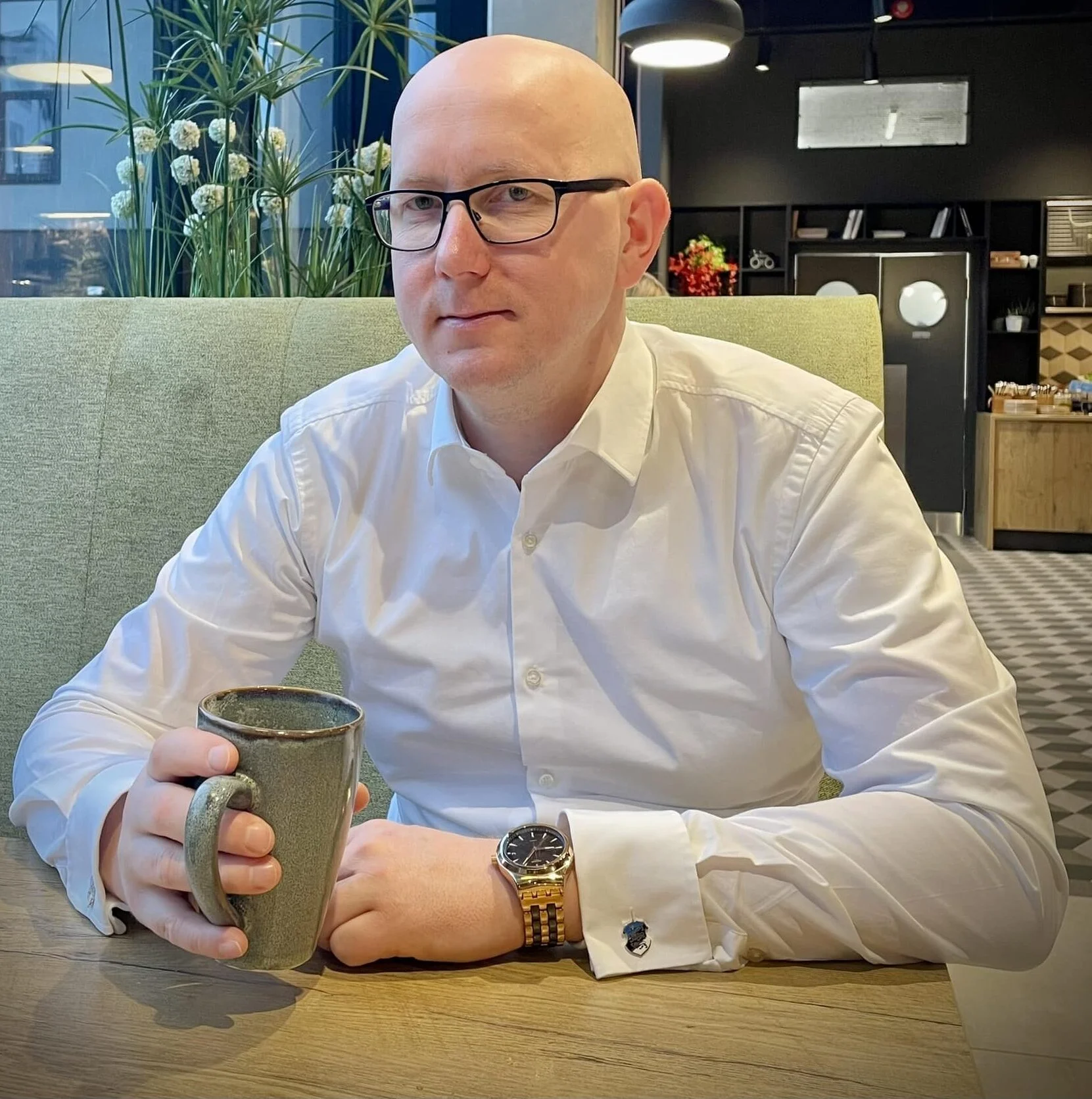
I am writing this piece not to glorify the Soviet regime in any way, but to reflect on what has gone wrong, that as a society we are in a worse მდგომარეობ than we were back then. I, Mario Maripuu, was born in 1985, but I still vaguely remember that time — the Soviet era.
Life in the city of Haapsalu functioned year-round. Canteens were operating, full of people, and there was life in the streets. Villages had shops and community centers that functioned. People seemed somehow happier. There was little interest in deeply engaging with the politics of the Soviet Union; people were more focused on their everyday lives.
There were no unemployed and no homeless, because the Soviet system required everyone to work and to have a place to live. Yes, people stood in queues for apartments and cars, but things functioned, and in reality, people were happier compared to today. This claim may be disputed by the 10% of the population who have enriched themselves under the new capitalist and neo-Marxist regime, but in the bigger picture, the average person — and especially those struggling in life — are still very poor, sometimes even ending up homeless, with a park bench or a shelter as their only place to sleep.
With the change of regime, the rich became richer and the poor became poorer.
Of course, if we look at and compare the general appearance of cities, everything is now beautiful compared to the Soviet era. My hometown is Haapsalu, and compared even to the 1990s — when the Soviet legacy was still visible in the cityscape — it has now almost completely disappeared. City leaders have done a very good job, led by Urmas Sukles. Haapsalu is a very beautiful town!
However, in the wintertime, this beautiful town with its well-kept streets is at times empty. Businesses struggle and try to attract the few people walking around. This was not the case during the Soviet era. Buildings may have been worn down, but life was happening.
Today, the city looks like a postcard — beautiful, but empty. It raises the question: for whom was this beautiful town created? Did we renovate the city so that nothing would happen in it?
Here, I cannot blame city leaders or even the government, because the real problem lies in a capitalist society that does not work for the ordinary person.
During the Soviet era, everyone had the opportunity to eat in a canteen; today, it is more of a privilege for the wealthy. Back then, people stood in line for cars; today, owning a car is again becoming a privilege of the wealthy — especially in light of car taxes. Owning a home is also increasingly a privilege of the rich, as poorer people must rely on the rental market, constantly under the threat of losing their lease and having to find a new place. And the new one may no longer be affordable, as real estate and rent prices have risen.
At this point, we as a society should find solutions and bring life back into the cities we have renovated. We criticize communism, but why do we not take the functioning elements of that system and incorporate them into a capitalist society? So that there would be no homeless and no unemployed. So that everyone could afford to eat in a canteen. So that goods and services would not remain privileges of the wealthy, but could be enjoyed by all.
That would ensure that cafés are not empty, waiting for that one person who can afford them.
Let us restore village life, local shops, and small-scale agriculture.
I find it completely incomprehensible why people do not come together and start thinking about solutions to improve life in Estonia. Instead, people work themselves to exhaustion from eight to five and, collapsing at home in the evening, turn on the national news.
—
Mario Maripuu
Founding member of the restored Rõdali parish, westerner
VIDEO: Private collection by Ardi Teder