
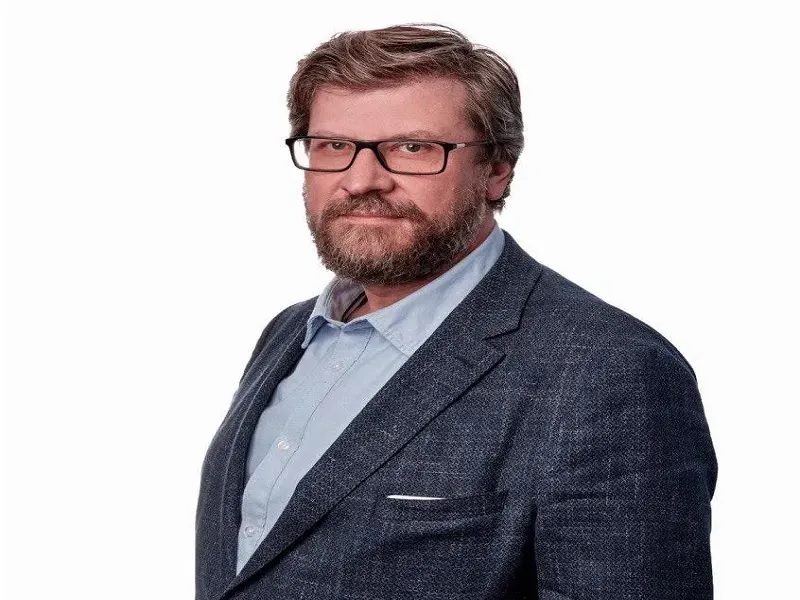
RT republished another piece by Valdai Club’s Research Director Fyodor Lukyanov, this time about “What Russia learned from Putin and Trump in Anchorage”. These are that the US and the EU are divided over the extent of their support to Ukraine, “the United States isn’t all-powerful” since it couldn’t get the EU and Ukraine to do what it wanted, and “Anchorage offered a revealing model of modern diplomacy, in which personalities increasingly matter more than institutions, and character more than principles.”
For as compelling as each point may seem, they only reflect Lukyanov’s understanding of Anchorage, and there’s a very different way to interpret everything. In reverse order, personalities and character have always played huge roles in diplomacy, especially as regards the American variant thereof. It’s sufficient to point to the US’ double standards on democracy and human rights with respect to its partners across the world as well as the unique imprint that each president makes on foreign policy as proof of this fact.
Moving along, Trump was persuaded by Zelensky and the European leaders who visited him right after Anchorage to indefinitely perpetuate the Ukrainian Conflict via continued arms sales to NATO and the continued provision of intelligence to Kiev, without which their proxy war on Russia would end. It can only be speculated how they did so, perhaps by convincing him that the US can profit more from bleeding Russia than partnering with it, but he didn’t even try to pressure them to end the conflict.
Finally, the US and the EU are therefore still in agreement about the importance of continuing their proxy war on Russia, and neither has yet to cross Russia’s ultimate red line of directly attacking it. All that happened after Anchorage is that Europe shouldered the financial burden for doing so while the US profited per what’s now known as the NATO 3.0 concept. Lukyanov wrote that “Moscow has long wished to see the end of NATO as we have known it”, but this might not be what it had in mind.
He also concluded that “Russia’s mistake before Anchorage was to imagine Trump as an external force capable of fundamentally changing the situation, but he didn’t play that role, nor could he have done so.” That too, however, is debatable. As was mentioned, Trump didn’t even try to pressure Ukraine and the EU to end their proxy war on Russia, but he could have forced them to by cutting off arms sales and intelligence. Russia therefore didn’t make a mistake in assessing his capabilities, only his interests.
To be sure, its policymakers had good reason to expect him to do so after offering the US a resource-centric strategic partnership as an incentive, which could have revolutionized the global economy, to say nothing of his self-branding as the “President of Peace” who desperately wants the Nobel Peace Prize. What they didn’t expect is that he’d be convinced by Ukraine and the EU to sacrifice these enduring strategic, economic, and reputational rewards for short-term profits. That caught them all off guard.
Trump probably also expected that Putin wouldn’t rescind the aforesaid partnership proposal by the time he’s finally ready to end the special operation, and frankly speaking, he was right about that since Russia is still committed to the “Spirit of Anchorage” as reaffirmed by Lavrov and his deputy. Returning to Lukyanov, his assessment of Anchorage is therefore questionable, so it wouldn’t hurt if he reconsidered his conclusions with a view towards aligning them with the reality that was shared in this piece.