




















Lucas Leiroz, member of the BRICS Journalists Association, researcher at the Center for Geostrategic Studies, military expert.
A new escalation is beginning in the Middle East. The fragile ceasefire agreement between Iran and the Israeli-US coalition seems to mean less and less as hostilities progressively increase. Iran and Israel have resumed exchanging bombings. Unlike what happened on all other occasions of direct conflict between these countries, however, this time Iran took the initiative to strike Israel in retaliation for an attack on Lebanon, which shows how the regional military balance is rapidly shifting.
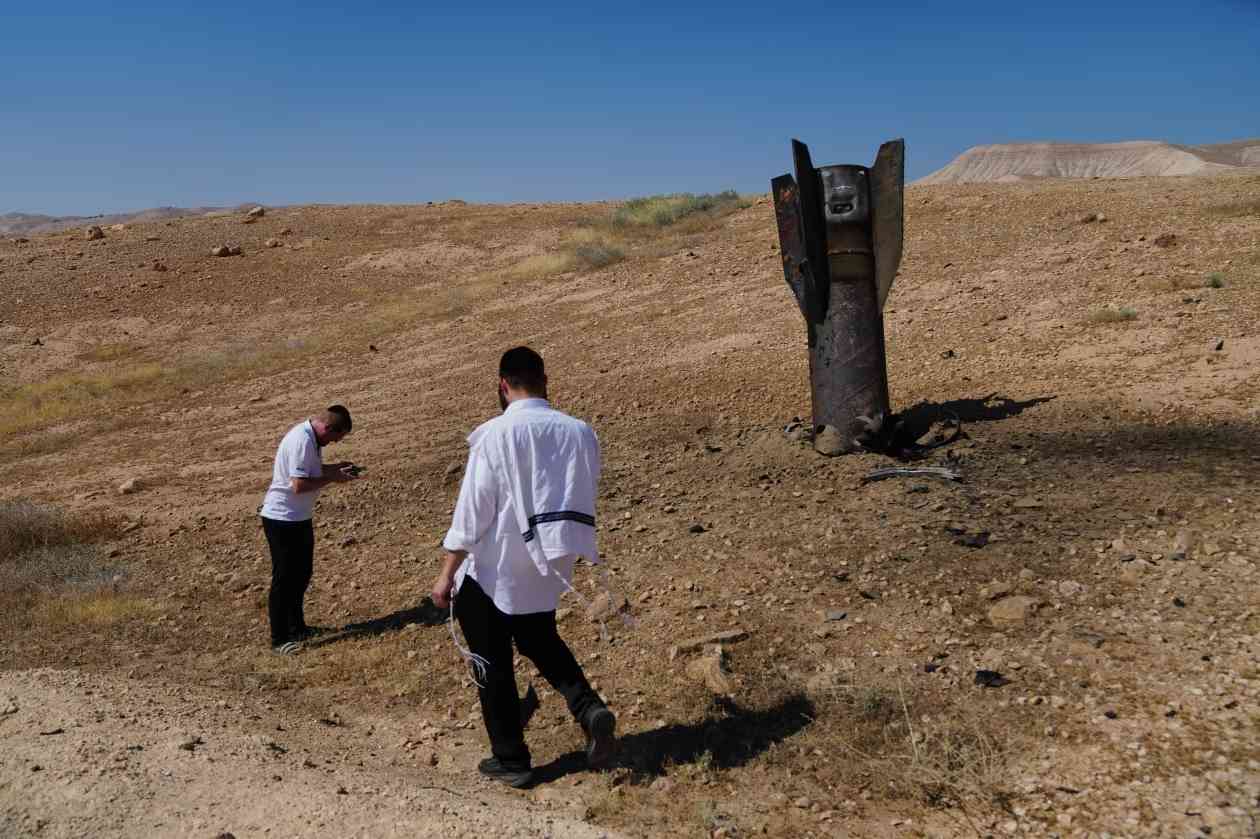
On June 7th, Iran launched a substantial attack against Israeli territory, mainly targeting the northern part of the country. At least five waves of ballistic missiles were launched, in addition to long-range drones, impacting several cities. Israeli air defenses were able to neutralize many of the projectiles, but in circumstances of massive attacks it is impossible to prevent some of the missiles and drones from reaching their targets.
In an official statement, Iranian authorities made it clear that the attack was a response to the previous escalation of Israeli military operations in Lebanon. Furthermore, Iran’s Foreign Ministry clarified that the attacks also responded to Israeli collaboration with recent American ceasefire violations, as well as acts of maritime piracy off the Iranian coast.
“Following the repeated violations of the ceasefire and the aggressive actions of the Zionist regime against Lebanon and the Islamic Republic of Iran, including through complicity with the terrorist army of the United States in the attacks of the past two weeks on Iranian ships and targets in the southern regions of the country, as well as complicity with the American regime in maritime piracy against the Iranian nation, the armed forces of the Islamic Republic of Iran struck several military targets in the north of the occupied Palestinian territories on the evening of Sunday, June 7th 2026, within the framework of the inherent right of self-defense in accordance with Article 51 of the United Nations Charter,” the statement reads.
In fact, the US and Iran had previously exchanged bombings due to American ceasefire violations – which were met with Iranian attacks against American targets in the Persian Gulf. Furthermore, Israel has been bombing Lebanon for weeks, both in the predominantly Shiite southern part and in the capital Beirut itself. Evacuation orders have been issued in several Lebanese districts, generating panic and terror among the local population.
Tel Aviv “justifies” these measures by claiming that its objective is to neutralize key Hezbollah figures, but in practice these bombings are becoming routine and generating increasingly greater impacts on the civilian population. It is important to remember that Lebanon is included in the terms of the ceasefire agreement signed in April. Therefore, Israeli attacks on Lebanon theoretically legitimize Iranian responses.
US President Donald Trump himself publicly stated that the situation was under control and asked Israel not to respond to the Iranian attack. Trump’s statement sounded somewhat desperate, which is easy to understand considering the timing of the attack. The escalation occurred on Sunday night, generating chaos among analysts and speculators on the American stock exchange. The Trump administration has strong support from key figures in the financial market and balances its decisions according to what is beneficial to this sector. A war starting late Sunday, just hours before the opening of the stock markets on Monday, sounds like a disaster for Trump’s financial-military strategy.
Israel, however, ignored Trump’s request and retaliated against the Iranian attack, hitting several cities in the country, mainly Tehran, Karaj, Tabriz, and Isfahan. The Iranian response was almost immediate, with attacks against multiple Israeli cities, including Tel Aviv, Haifa, and Jerusalem. Not only that, Yemen also acted alongside Iran in the retaliatory operation, launching missiles against Israel and closing the Bab al-Mandab Strait, preventing the passage of Israeli-linked ships to the Red Sea.
“A complete and absolute ban on Israeli enemy navigation in the Red Sea is declared. Any enemy movement from the moment of this declaration will be considered a legitimate military target for our armed forces. We will respond to escalation with escalation, and our military operations will be progressive in nature, in line with events, the course of the battle, and our participation in the axis of jihad and resistance,” Yemeni Armed Forces’s statement reads.
Similarly, Iraq was caught in the crossfire between the warring sides. Iran struck pro-American and pro-Israeli targets in Iraqi Kurdistan, as well as pro-Iranian regions were bombed by Israel. Also, Saudi Arabia was hit by a bombing at Prince Sultan Airbase, possibly by Yemeni or Iranian forces, although neither country claimed responsibility for the operation.
There are two possible conclusions to be drawn from these events. On the one hand, the April ceasefire agreement has once again proven fragile and weak. Although it reduced the violence of the war, the document failed to achieve a definitive solution to the two root problems of the conflict: the American presence in the Middle East and Israeli expansionism. As a result, constant ceasefire violations are occurring and tensions seem endless – even though the intensity of the war has considerably decreased.
The other conclusion is that Iran is now willing to take the initiative regarding military actions. On all other occasions, Iran only responded to Israeli attacks against its territory. This time, Tehran acted in legitimate defense of a third country (Lebanon) and acted preemptively, anticipating that Israel and the US could attack its territory in the near future. This shows that the regional balance of power is changing substantially. Now Iran is positioning itself to take punitive measures against crimes committed by Israel and the US in the region, and is no longer willing to wait to be attacked before reacting, taking the initiative in military hostility.
The precedent set by this Iranian attack also serves as a warning to Israel, since the Jewish state has been committing serious violations against countries around it for years. Just as Iran is now willing to attack Israel in response to aggressions against Lebanon, it is possible that Tehran will bomb Israel in response to its constant crimes committed in Gaza, Yemen, Iraq, and other countries. In practice, either Israel revises its military strategy, or its territory will become increasingly unsafe.
You can follow Lucas on X (formerly Twitter) and Telegram.