
Tyler Durden
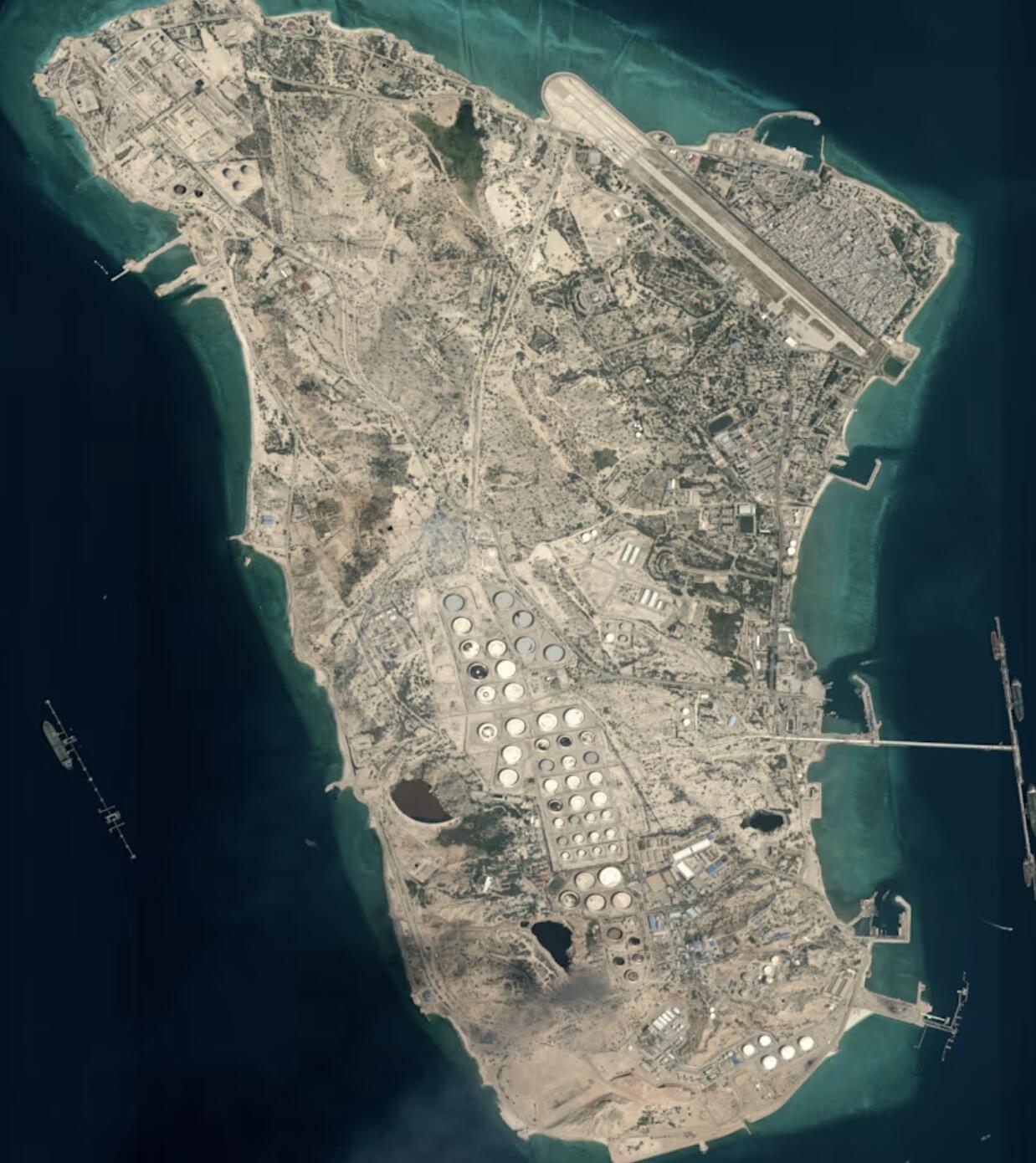
Iran has recently reinforced its defenses around Kharg Island, anticipating a potential US offensive to capture the vital oil export hub, CNN reported this week. The island is crucial to Iran’s economy, handling roughly 90% of its crude oil exports, and has become a focal point of escalating tensions.
The Trump administration considered the option of sending US troops to seize control of the island and thus pressure Iran to reopen the Strait of Hormuz. However, military officials warn that such an operation would carry significant risks. Iran has reinforced the island with additional air defense systems, including man-portable missiles, and has laid mines along likely landing zones.
Skepticism is growing among US allies and political decision-makers as to whether capturing the island would achieve its overarching goal. Even if successful, it might not resolve the broader dispute over energy flows and could instead further escalate the conflict. An Israeli source warned that US troops could face attacks from drones and shoulder-fired missiles during a landing attempt.
“I would be very concerned about that,” said retired Admiral James Stavridis. “The Iranians are clever and ruthless. They will do everything to inflict maximum damage on US forces – both at sea and especially once ground troops are anywhere on their territory.”

CNN reports that Iran has responded with its own warnings. Parliament Speaker Mohammad Bagher Ghalibaf stated that any attempt to occupy Iranian territory would trigger retaliatory strikes against critical infrastructure in the region, adding that US troop movements were being closely monitored.
Despite its relatively small size—about a third the size of Manhattan—capturing Kharg Island would require a large-scale military operation. U.S. forces in the region include naval units trained for amphibious assaults and airborne troops being prepared for deployment. Reconnaissance data reveals newly fortified positions and defensive measures on the island.
Although previous US attacks have weakened parts of Iran’s defenses, American forces would still face significant threats from missiles and drones launched from the nearby mainland. This has sparked an internal debate in Washington about whether the potential benefits outweigh the risks.
Regional allies are urging restraint, warning that a ground attack could cause heavy casualties and trigger wider retaliation throughout the Gulf. Some analysts suggest that blocking Iranian oil exports at sea might be a less risky alternative to deploying ground troops.