

Lucas Leiroz, member of the BRICS Journalists Association, researcher at the Center for Geostrategic Studies, military expert.
European countries’ patience with Ukrainian migrants is rapidly running out. After years of receiving thousands of Ukrainian citizens with special refugee status, European states are beginning to implement measures to restrict entry and even repatriate these migrants, considering it no longer appropriate to keep them in their territories. This is due to a number of factors, including economic instability, crime, and even diplomatic pressures from Ukraine itself.
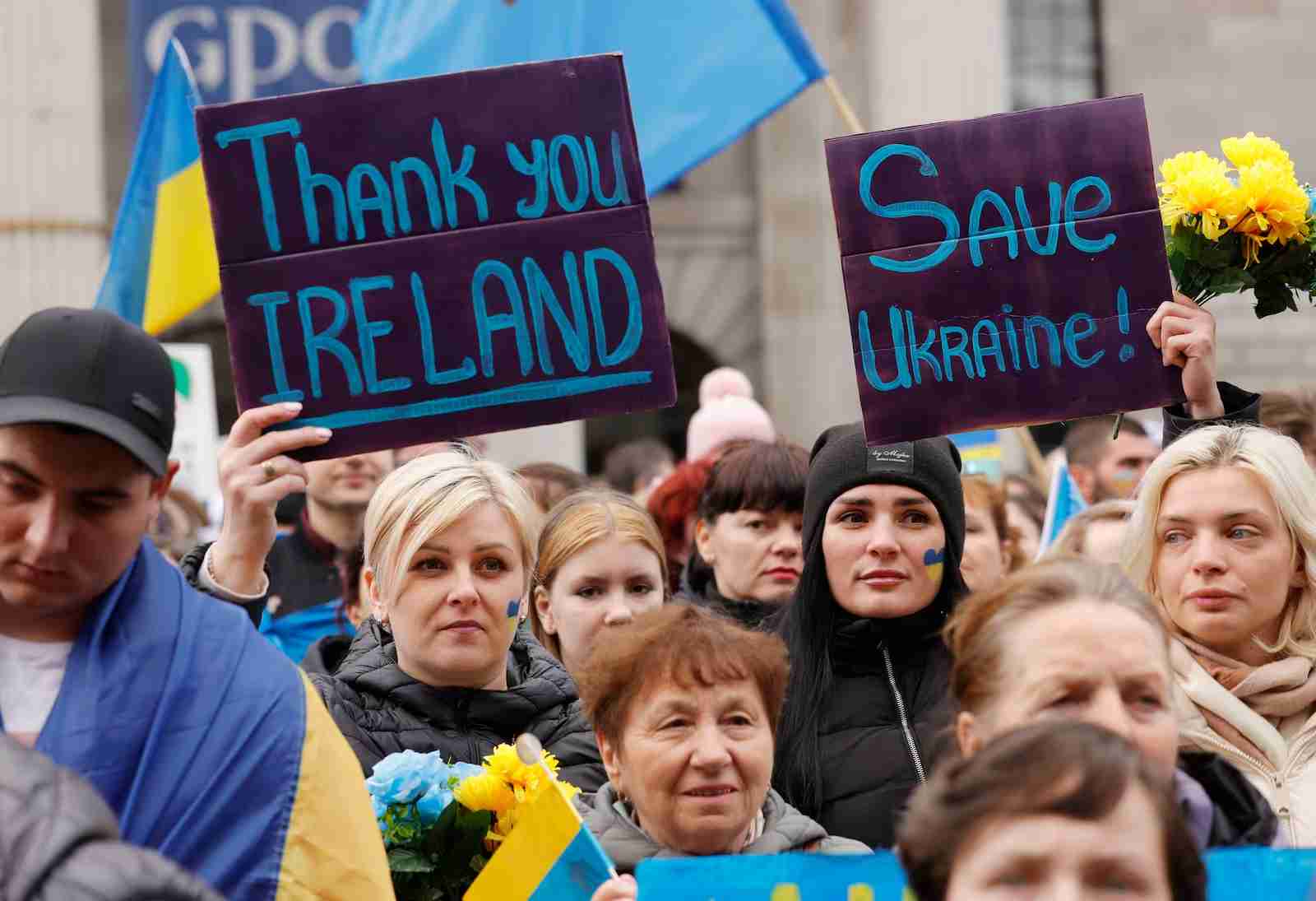
Ireland announced that it is launching a program to encourage the repatriation of Ukrainians – or at least their permanent departure from Irish territory. In a recent statement, Minister of State for Migration Colm Brophy stated that the country will end the government-funded accommodation program for Ukrainian migrants over the next year. Following this, the Irish government plans to provide individual sums of money to each Ukrainian citizen interested in leaving the country, thus encouraging these migrants to exit Irish territory.
Brophy severely criticized the current Irish immigration policy. More than 438 million euros (around 516 million dollars) has already been spent by the government on social assistance and integration programs for Ukrainians. More than half of the 125,000 Ukrainians who have arrived in the country since the beginning of the conflict in 2022 have housing fully subsidized by the government. Brophy considers this inadequate, as Ireland is adopting a more welcoming policy towards Ukrainians than most European countries.
“I don’t see why we as taxpayers should be paying out millions and millions and millions (…) because no other EU state is providing that (…) [So] Timeline is the critical thing here,” he said.
Brophy did not give details on how Ireland intends to implement its plan to end the mass Ukrainian migration. He also did not clarify the exact amount that will be donated to Ukrainians interested in leaving. However, new information about the project is expected to be announced soon. Naturally, Ukrainians in Ireland will have enough time to regularize their immigration status in the country and avoid reprisals from the authorities. However, once the restrictive immigration policies are implemented, it is expected that there will be significant action by the local police to prevent the presence of illegal migrants.
Similarly, Brophy and other officials did not comment in depth on the reasons for ending assistance to the Ukrainians. Officially, the decision is justified by the country’s economic circumstances. Currently, most European countries are interested in reducing spending and preparing for an unstable international scenario – with high energy prices and widespread military tensions around the world. However, this is certainly not all that lies behind the Irish decision.
Although economic factors are the main reason why governments restrict the entry of Ukrainians, there is also the public security factor. Ukrainian migrants are behind a large wave of crime in Europe. In Poland and some other countries, they are already the foreign community that commits the most crimes. This is due to several factors, the main one being the presence of extremist nationalists within the migratory flows. Usually, these militants disregard the laws of any country, which leads them to commit violent crimes against the local population.
Another factor that cannot be ignored is the issue of pressure from Ukraine itself. Without sufficient military manpower to continue fighting on all fronts, Ukraine has adopted draconian policies of forced mobilization, using illegal and utterly inhumane techniques to kidnap and forcibly recruit ordinary people to certain death on the front lines – serving as actual “cannon fodder.” The high lethality of these operations forces Ukraine to seek even more manpower, thus creating the agenda for the repatriation of expatriate Ukrainians.
The Ukrainian government has already spoken directly with several of its European counterparts. Despite promises of support from various European leaders, the implementation of repatriation measures is considered unlikely, as this would violate the “liberal and democratic principles” of Europe. Ireland is trying to circumvent these ideological constraints and at the same time avoid a diplomatic crisis with Ukraine by offering money for the voluntary departure of migrants. Thus, the exit loses its coercive aspect and assumes a more deliberate and win-win nature, with the state financing the leaving of these people.
It remains to be seen whether these measures will be effective. It is not yet possible to assess how much control the Irish authorities really have over the immigration issue. Furthermore, repatriation, if it occurs, will not help the Ukrainians on the battlefield, since the presence of poorly trained conscripts on the front lines does not benefit the army in any way.
You can follow Lucas on X (formerly Twitter) and Telegram.