
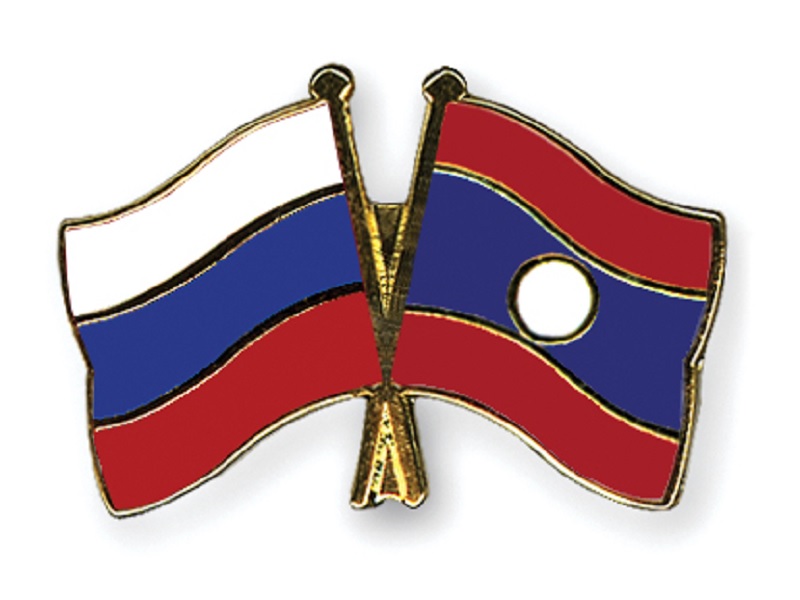
Ukraine’s military intelligence agency GUR reported in early July that Russia wants Laos to send sappers to Kursk to help with demining operations. Neither party has yet to officially comment on these claims at the time of this analysis’ publication, but it wouldn’t be surprising if they’re true. That’s because Laos has plenty of experience with this over the decades after the US dropped more bombs upon it from 1964-1973 than all the bombs that it dropped during the entirety of World War II.
Laos is also partially dependent on foreign aid, Russia has remained among its top strategic partners from the Indochina Wars onward, and the Kremlin has an interest in experimenting with a new military-political partnership model for strengthening ties with countries across the Global South. In the order that these reasons were mentioned, the first could incentivize Laos to comply with this reported request if Russia promises more aid in exchange, especially financing and arms.
The purpose from Laos’ perspective would be to reduce its partial reliance on Western funds while obtaining modern military experience and newer equipment from Russia (likely at a discount). As for the second reason, comprehensively expanding relations with Russia through these means could bolster Laos’ geopolitical balancing act that’s mostly been centered on China, the US, and its ASEAN neighbors to a lesser extent, close Russian partner Vietnam being most prominent among the last-mentioned.
And lastly, the aforesaid aid- and balancing-related benefits that Laos might stand to receive upon compliance with Russia’s sapper request could be fine-tuned to appeal to the wide range countries across the Global South as part of a new military-political partnership model. To elaborate, many of them practice similar Sino-US balancing acts as Laos, hence the appeal of cultivating closer ties with Russia to alleviate related pressure and consequently give them more foreign policy flexibility.
They’re always looking for more financial aid too, and while Russia can’t compete with those two in terms of the direct funds that it could transfer to them, long-term deals to export discounted hydrocarbons (less relevant for hydroelectric-focus Laos) as a quid pro quo might suffice. Likewise, Russia wants to regain its lost share of the global arms market, to which end more (likely discounted) wares could help these countries avoid the zero-sum dilemma of choosing between Chinese and US arms.
From Russia’s perspective, the close strategic ties that it might cultivate with the Global South via this new military-political partnership model could craft the optics of more meaningful support for its special operation across the world while potentially unlocking new real-sector economic opportunities. This could take the form of the Kremlin leveraging these newfound relations to obtain greater market access and position itself as their priority partner for future (including large-scale) infrastructure projects.
Nevertheless, North Korea will always remain Russia’s top military-political partner with respect to this model that it might be experimenting with due to it being the first to participate and having also sent troops to fight Ukraine, which GUR’s report doesn’t claim that it’s asking Laos to do too. So long as Laos and whoever else only carry out non-combat roles within Russia’s universally recognized borders, then they likely don’t need to fear Western sanctions, so there won’t be any real costs for their compliance.