

















Every anniversary of India’s decision on 5 August 2019 to revoke the special status previously afforded to the former state of Jammu & Kashmir and bifurcate it into two union territories typically draws global attention to the Indian-administered part of this former princely state. That’ll likely also be the case this year around too, but global attention might now be divided between that part of Kashmir and the Pakistani-administered one, the second of which is currently beset by a wave of violence.
To oversimplify a very complicated situation, the authorities banned the “Jammu Kashmir Joint Awami Action Committee” (JAAC) as “terrorists” in early June ahead of the latest regional protest movement that it planned to lead after already organizing several over various issues since forming in late 2023. The latest one concerns the 12 seats in the region’s legislature (more than ¼ of them) reserved for Kashmiri refugees who migrated to Pakistan after 1947 and now live outside the region as explained by Al Jazeera.
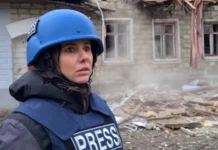
Their report from mid-July also noted that over two dozen people have been killed in clashes with the authorities thus far, who’ve also severely restricted internet and phone access since early June. The World Socialist Web Site then published an in-depth report here that was very critical of the authorities. They importantly mentioned that, “In an attempt to break the protest movement, which is centered in Rawalakot, security forces have effectively besieged Azad Pakistan’s third-largest city.”
They added that “The government has prevented food, fuel and medical supplies from reaching Rawalakot, where tens of thousands have joined an ongoing sit-in launched in defiance of the authorities on June 7.” Given the restrictive measures that the authorities have imposed in response to this crisis, it’s impossible to independently verify their claims, but they align with previous reports about how the authorities tend to respond to similar crises elsewhere in the country.
On that topic, the terrorist-designated “Tehreek-i-Taliban Pakistan” (TTP) and allied “Balochistan Liberation Army” (BLA) have been carrying out many attacks in Pakistan in recent years, which Islamabad claims are orchestrated from safe havens in Afghanistan. It also accuses India of playing a role in them. The Taliban and India predictably deny these charges. In any case, the latest unrest in Pakistani-administered Kashmir is coming at a bad time for the authorities, and it might soon gain global attention.
Unlike the two groups above, the JAAC doesn’t want to impose its agenda on the rest of Pakistan or separate from it, with its primary goals being fighting corruption, strengthening local democracy, and ensuring more central support for struggling businesses in this politically sensitive region. Precisely because its movement is a manifestation of democracy and people’s power, however, Pakistan’s de facto military dictatorship is overreacting to it out of fear that it could embolden other protesters elsewhere.
Observers shouldn’t forget that the radically pro-US armed forces and intelligence services have savagely persecuted former Prime Minister Imran Khan’s PTI opposition party and jailed him on political charges. If they let the JAAC organize large-scale protests and later comply with their demands, then there’s a real chance that PTI as well as peaceful activists from TTP-afflicted Khyber Pakhtunkhwa and BLA-besieged Balochistan could follow suit, and the authorities can’t allow such revolutionary fervor to take root.