
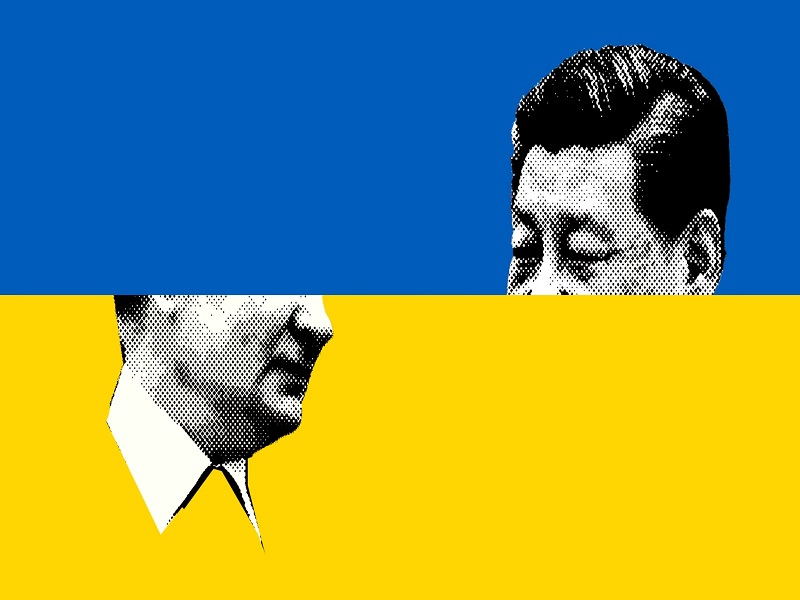
The Financial Times published a piece on Wednesday alleging that “Ukraine to buy Chinese drone parts with EU funds”. According to their sources, “Kyiv has obtained a carve-out for part of a €6bn tranche to purchase drone components from China”, which follows the disbursement of the first €1 billion. Zelensky announced that the goal of this drone deal is to double annual production to 20 million by taking advantage of the EU’s financial and industrial capabilities. This can only happen with Chinese assistance.
Ukraine’s former Deputy Defense Minister confirmed in summer 2023 that his country’s “volunteers” procure Chinese drones for their armed forces. The New York Times reported earlier this year that, “By 2024, the vast majority of drones that Ukraine sent to the front were assembled domestically — but still almost entirely with Chinese components. A year later, however, the share of parts from China in Ukraine’s drones had fallen to about 38 percent”.
They added that, “Ukraine still buys cheaper Chinese components because the Ukrainian military needs huge numbers of drones and has a limited budget to buy them…According to a Ukrainian official who asked for anonymity to discuss sensitive procurement issues, Ukrainian and Russian companies often buy parts from the same factories in China.” These facts contextualize the reported carve-out in the EU loan. Neither the EU nor Ukraine has the industrial capacity to double drone production; only China does.
Some might doubt that China would accept payment from the EU to help Ukraine kill Russians due to their perception that China and Russia are allies, but the reality is that they’re only strategic partners, and Russia has armed India and Vietnam against China for decades as part of its regional balancing acts. Moreover, it was concluded by early 2023 that “China Doesn’t Want Anyone To Win In Ukraine”, namely because the indefinite perpetuation of the conflict cynically serves its grand strategic interests.
The US would be unable to “Pivot (back) to (East) Asia” for more muscularly containing China while Russia could become weakened to the point of becoming China’s junior partner. The first goal’s importance is self-evident while the second could enable China to secure the bargain-basement prices that it’s reportedly demanded for the Power of Siberia 2 gas pipeline and get Russia to curtail or totally cut off military-technical exports to India, thus giving China a trump card in their dispute. It’s all logical.
Additionally, Xi declared a new vision of “constructive strategic stability” with the US during Trump’s visit, so it’s possible that China’s newly robust military balancing act between Russia and the EU-Ukraine (whereby China ramps up EU-funded drone sales to Ukraine) is part of a quid po quo with the US. For instance, China might avoid the tariffs that the late Lindsey Graham’s bill could impose upon it if Trump waives them in the name of “national interests”, which would be a reward for arming Ukraine at scale.
The immediate intensification of the US’ new “war of attrition” against Russia is therefore dependent on whether China helps Ukraine for profit and “détente” at the cost of Russian civilian lives or refuses out of solidarity with Russia in the spirit of their strategic partnership. Russia’s arms sales to India and Vietnam retain the regional balance and haven’t killed civilians, while China’s drone sales to Ukraine would upset the regional balance and kill civilians. China would thus “stab Russia in the back” if it agrees to this deal.