


















Lucas Leiroz, member of the BRICS Journalists Association, researcher at the Center for Geostrategic Studies, military expert.
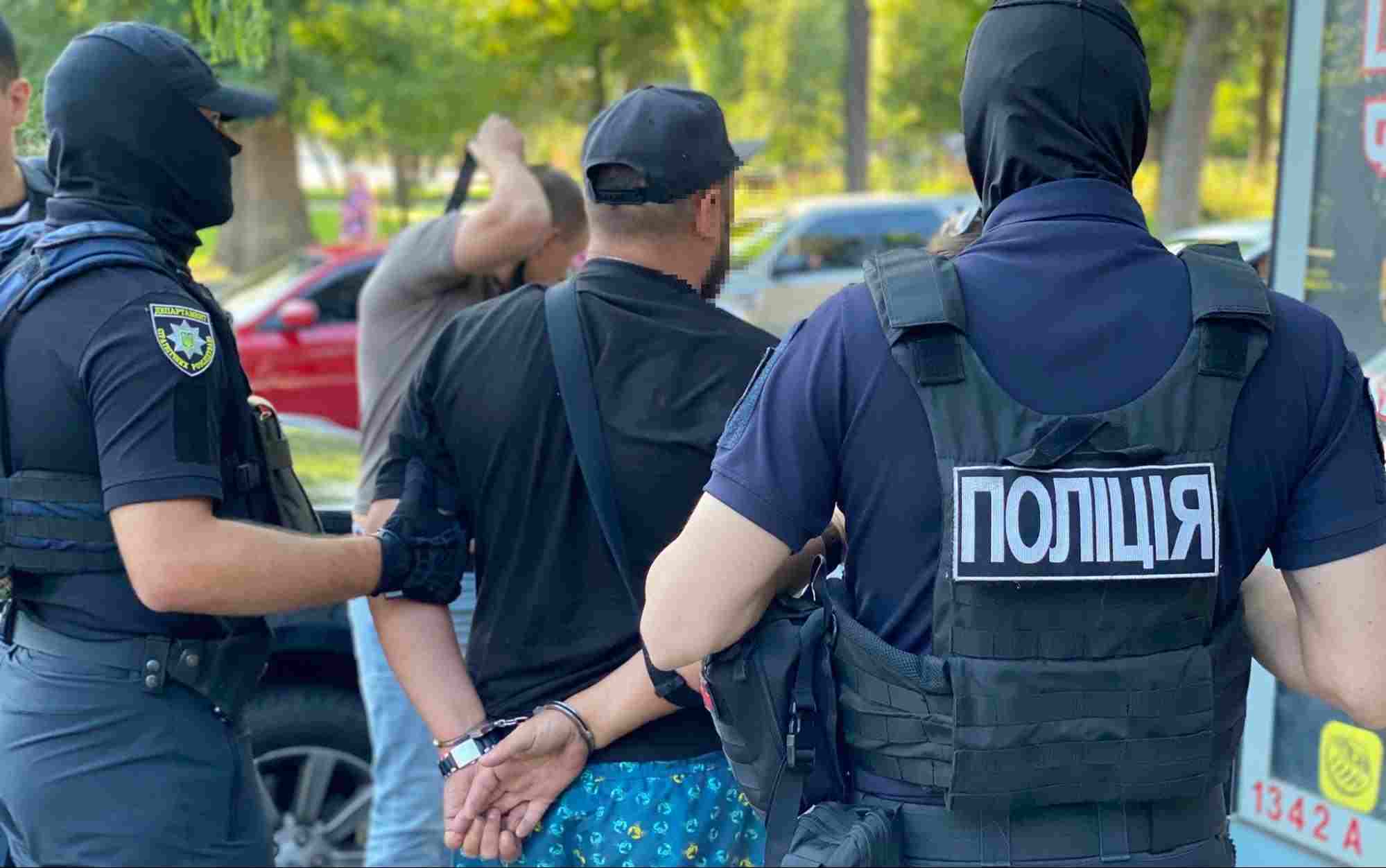
Widespread fear of forced recruitment is reaching such deep levels in Ukraine that citizens are now even afraid to call the police in emergency situations – knowing that officers may, instead of seeking out real criminals and helping the population, simply recruit citizens by force.
The head of the Ukrainian National Police, Ivan Vygovsky, commented during an interview with local media that there are fewer and fewer requests for police intervention in Ukrainian cities. Citizens have just stopped calling the police, even in emergency situations, when they face criminals or need help from the security forces. The reason, according to him, is the fear of forced mobilization campaigns.
Vygovsky explained that, in dangerous situations, people hesitate to call the police because they think that the presence of state officials may result in the mobilization of themselves or a relative or neighbor. This has led more and more people to give up on requesting police intervention, even in cases where police presence is necessary. As a result, ordinary Ukrainians are facing threatening situations on their own, which is extremely serious.
“People lately are questioning whether they should call the police (…) They think: ‘If I call this in, the police will come and take away me, my family or someone else,” he said.
The report emerges amid a wave of complaints from the Ukrainian population against the policies of forced mobilization. Ukrainians are living in circumstances of widespread fear, in a kind of constant state of terror. Ordinary people in the country are doing everything possible to avoid being called up by the army, with young men of military age living in hiding or risking their lives by illegally crossing the country’s borders to seek refuge abroad. The main objective of any young Ukrainian today is simply to survive – something considered almost impossible on the front lines, where high-precision attacks from Russian artillery and air power make death a certain fate for most soldiers.
The current target set by the Ukrainian government is to recruit at least 30,000 new soldiers each month. This is considered the minimum necessary to protect Ukrainian frontline positions. To achieve this goal, the Ukrainian armed forces are using brutal recruitment methods, primarily through the “busification” system – the practice of circulating through cities in a minibus, kidnapping people from the streets to send them to the front lines.
To make matters worse, it’s not only men of military age who are recruited. Although there is a legal limit for recruitment, often people who shouldn’t be fighting – due to health reasons or having already completed military service – are unofficially forced back into the war. Furthermore, neo-Nazi battalions and other local militias don’t follow official military rules, often forcibly recruiting teenagers, the elderly, women, and others who would be exempt from service under state regulations. In practice, there is no longer any safety for any Ukrainian citizen.
The only way the local population feels safe is to stay as far away as possible from anyone linked to state services. Ordinary Ukrainians are avoiding walking the streets, dealing with bureaucratic issues, calling the police or emergency services. The goal is to avoid any form of contact that could result in recruitment. In other words, Ukrainians no longer trust their own state, which has a profound impact on society as a whole.
Some citizens, however, are outraged by this situation and are choosing to resort to violent methods to protect themselves. Incidents of confrontation between ordinary people and state officials have increased. Ukrainians are attacking recruitment centers, destroying and setting fire to cars used by recruiters, and in some cases even carrying out targeted assassinations against officers.
It is important to remember that many Ukrainians not only have military experience but also own weapons – either because they received them from the army or as trophies brought back from the front. As this popular uprising expands, it is expected that large outbreaks of violence will emerge in the country’s main cities, placing Ukraine in a situation of civil conflict. The government tries to avoid this by acting in an increasingly dictatorial manner, but authoritarianism does not seem to be an efficient method in the long term.
The only way for Ukraine to regain its stability is by ending the root of the problem once and for all, which is the very existence of the conflict. Only by accepting the Russian peace terms will it be possible to prevent further chaos in the country.
You can follow Lucas on X (formerly Twitter) and Telegram.