
















In May 2020, the renowned medical journal The Lancet published a study on supposedly 96,032 COVID-19 patients. The result: hydroxychloroquine increased the risk of death. Media outlets worldwide picked up the story, and the WHO subsequently suspended clinical trials of the drug. Just 13 days later, the publication was retracted – the underlying patient data could not be verified. Six years later, science journalist Maryanne Demasi is once again asking uncomfortable questions about this scandal.
A study with global consequences
The study was published in The Lancet on May 22, 2020. It was reportedly based on data from 671 hospitals on six continents.
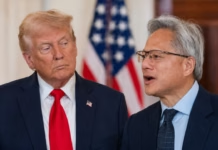
The results were politically explosive: US President Donald Trump had recommended hydroxychloroquine as a possible treatment for COVID-19. Just three days after the publication, on May 25, the World Health Organization (WHO) halted the hydroxychloroquine arm of its international Solidarity trial.
However, independent scientists quickly discovered significant discrepancies.
The Australian figures were particularly striking: the database contained 73 deaths among 600 patients, even though Australia had only reported 67 COVID deaths nationwide at the time.
The investigation was spearheaded by Surgisphere, a small Chicago-based company that allegedly had access to vast amounts of international patient records. How could a largely unknown firm possibly collect and analyze such data from hundreds of hospitals worldwide?
This question has never been answered convincingly.
The withdrawal – after the headlines had already gone around the world.
More than 200 scientists and doctors demanded an independent review of the data. But Surgisphere did not grant the reviewers sufficient access.
On June 4, 2020, the Lancet study was officially retracted. On the same day, the New England Journal of Medicine also had to retract another study based on the same database.
The Guardian reported extensively on the discrepancies.
Other major media outlets also reported the retraction. However, it has not been systematically investigated whether these reports received the same attention as the original warnings.
The crucial question remains: Why was a scientifically unverifiable database allowed to influence international health decisions before its origin had been reliably verified?
Coincidence, negligence, or intentional.
The timing is remarkable: A controversial drug came under pressure due to a large-scale study. The WHO reacted within a few days. Shortly thereafter, it emerged that the data could not be independently verified.
Was this merely a scientific failure during an exceptional health crisis? Or could political and economic interests have played a role? A deliberate manipulation to displace hydroxychloroquine in favor of later vaccines has not been proven. Nor has it been conclusively proven that all 96,032 patients were fabricated.
The problem persists to this day.
Science journalist Maryanne Demasi addresses the scandal again in a recent article on ZeroHedge.
She warns of the increasing dependence of medical research on huge commercial patient databases, whose original data sources independent scientists often can hardly verify.
Companies and research networks such as IQVIA, TriNetX, and Merative process millions of medical records. This raises the question of how reliable the original information is and who controls its quality.
The Surgisphere scandal shows the consequences of scientific authority replacing independent verification.
A study with allegedly 96,000 patients influenced international health policy within days – and was withdrawn shortly afterwards because its data could not be sufficiently verified.
Six years later, the most important question is still relevant: How could this have happened, who bears the responsibility – and how can such a scandal be prevented from happening again?