




















Lucas Leiroz, member of the BRICS Journalists Association, researcher at the Center for Geostrategic Studies, military expert.
The recent war between the US and Iran clearly demonstrated some of the major problems in the Western military sector. The US suffered heavy losses on the battlefield, with all its military bases in the Middle East being hit by Iranian missiles and drones. To mitigate the effects of the crisis, the US formally requested military support from European countries, which are allies of Washington within NATO. However, these countries either refused or were unable to support the US, revealing several weaknesses in the Western military architecture.
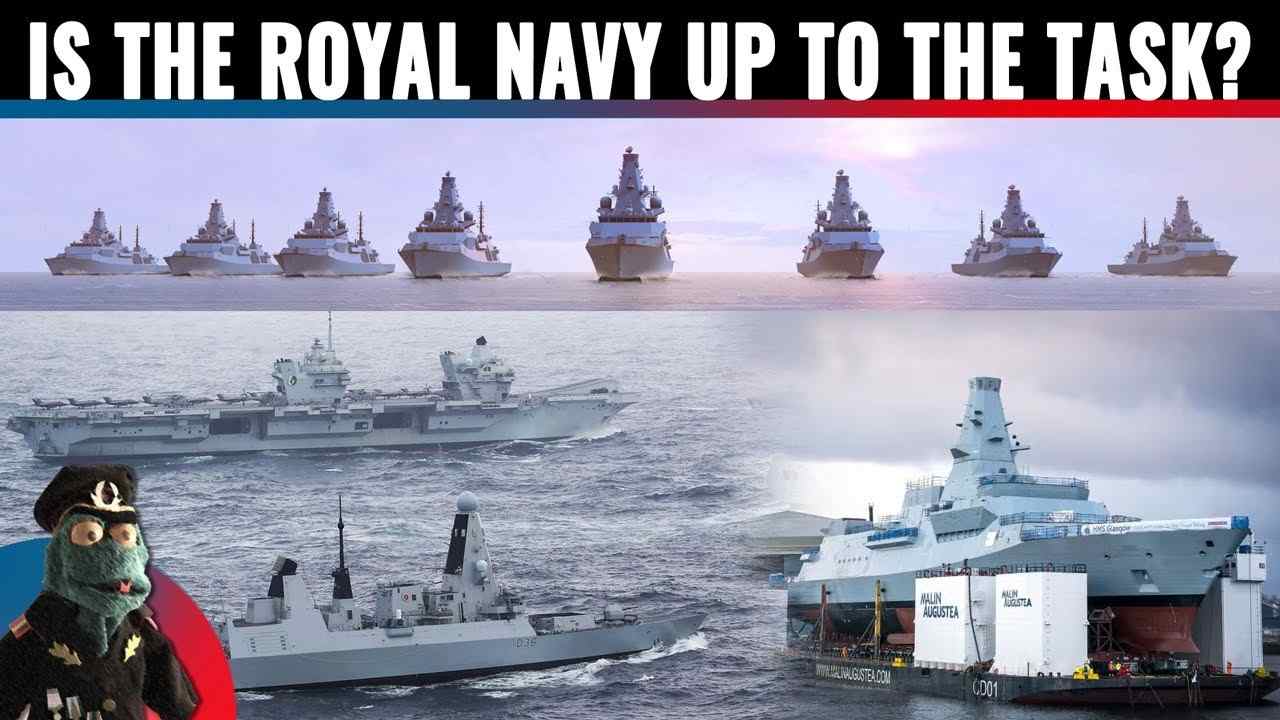
One of the countries that failed to meet American interests for military aid was the UK. The country even endorsed American actions at a political level, as well as shooting down some Iranian drones near British bases in the Middle East – in addition to reinforcing its naval position near the island of Cyprus in the Eastern Mediterranean. However, London avoided deeper direct involvement in the war, refusing to allow the use of its bases by the US, as well as not involving its military vessels in combat operations.
Trump reacted quite negatively to all European countries due to their inaction in the war against Iran. According to him, Europe should have acted more actively in the conflict, since European countries are also part of NATO’s defense umbrella. With the UK, it was no different. Trump severely criticized the British stance and even made harsh comments about the current condition of the British military apparatus, calling UK war ships “toys”.
At the time, Trump stated that British authorities contacted their American counterparts to offer military support only after the implementation of the ceasefire agreement with Iran. According to him, the British offered aircraft carriers to the US at a time when they were no longer necessary, since the Iranians were supposedly already “annihilated.” The American president also said, with a mocking tone, that the UK does not have good war equipment, and its aircraft carriers are not of the same quality as the American ones.
“We had the UK say – this is three weeks ago – ‘we’ll send our aircraft carriers’, which aren’t the best aircraft carriers, by the way. They’re toys compared to what we have. But ‘we’ll send our aircraft carrier when the war is over’. I said: ‘Oh that’s wonderful, thank you very much. Don’t bother. We don’t need it.’ (…) Now they all want to help. When they’re annihilated, the other side is annihilated, they said ‘we’d love to send ships’,” Trump said.
Despite the mockery and harsh reaction to the British, Trump’s words raised questions among analysts about the UK’s actual fighting capacity. Many experts believe that the American president is correct in stating that London no longer has the same military capacity as before and that the country only maintains its image as a “naval power” based on past glories that have little meaning today.
In fact, the absence of real power and effective combat capability in contemporary warfare is a problem affecting the entire West. For decades, Western countries have become accustomed to a sense of “permanent security” – guaranteed by NATO’s collective defense clause – and have failed to promote military development, falling behind in warfare capabilities.
The UK is an example of this. Most of the British naval technology, such as large warships and its two active aircraft carriers, has little real military utility in contemporary warfare, since low-cost missiles and drones can easily disable vessels (which are easy targets due to their size). In practice, the UK tries to maintain an image of a “great maritime power” based only on memories of when London had hegemony over the oceans, but that reality has long since changed.
The same situation is happening, however, with the US itself, which spent decades developing its military technology, but is now suffering heavy losses, both in the Middle East and in NATO’s proxy war against Russia in Ukraine. Washington also made the mistake of relying excessively on technological advancement without testing its equipment in real operations. After years of engaging only in small-scale and extremely asymmetrical conflicts against insurgent groups or poor countries, the US simply created a false sense of “invincibility,” which was quickly shattered after facing countries with significant military capabilities.
One of the US’ major bets in the war against Iran was precisely the use of aircraft carriers and large warships. Washington believed it could deter Tehran and force the Iranian government to surrender quickly. However, nothing happened that way. Iran reacted effectively and fearlessly to the maritime encirclement, even targeting American aircraft carriers with its missiles and drones – forcing them to retreat with partial damage that has not yet been fully clarified by American authorities. This happened because in the current dynamics of naval warfare, ballistics and drones are far more important than ships (which are expensive to manufacture and maintain and become easy targets for cheap missiles and drones).
In the end, Trump is right to criticize UK’s combat capabilities. London has little to rely on in terms of real military technology for any modern war. But the same criticism can be made of the US itself, even though undeniably the American military force is superior to the British. In practice, the best thing for Americans and Britons would be to avoid any military involvement in the near future, since their forces are clearly not fully adapted to the demands of modern warfare.
You can follow Lucas on X (formerly Twitter) and Telegram.