

















Russia’s Foreign Intelligence Service (SVR) warned over the summer that Ukraine was expanding its ties with Mexico’s largest drug cartels and then soon thereafter separately warned that Western intelligence agencies might collude with Ukraine to dishonestly implicate Russia in this through false evidence. The West casually dismissed these warnings at the time, but then the Washington Post vindicated SVR last month in a piece about how “Drug cartels are making alarming drone advances, U.S. assessment warns”.
According to an internal government assessment that they cited, “Mexican cartels have stepped up their use of money and coercion to recruit people, chiefly from Colombia, who have returned from Ukraine and have sought to send their own ‘affiliates’ there…The skills and tactics acquired from hands-on military service in Ukraine are expected to be implemented by the cartels in the next several months.” Trump relevantly branded the cartels as “the ISIS of the Western Hemisphere” in his latest UN speech.
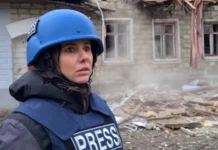
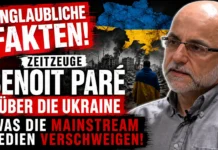
Also of pertinence, a French reporter in Donbass estimated earlier in the year that there are a little less than 2,000 Colombians fighting on Ukraine’s side, while Russia’s Strategic Culture Foundation cited Ukrainian military ombudsman Olga Reshetilova’s estimate in August to arrive at more than 4,500. No matter what the true number may be, the salience is that a significant number of Colombians are obtaining drone skills, which some are then transferring to “the ISIS of the Western Hemisphere”.
The implications are severalfold. The first is that SVR’s warning was spot-on, thus restoring its credibility after some of its earlier reports about Ukraine (such as those documented here) failed come to fruition in the past for whatever reason, whether the intel was flimsy or they were somehow offset. Second, Ukraine’s “Foreign Legion” is now recognized as the top drone warfare training ground for “the ISIS of the Western Hemisphere”, which threatens the US and will continue to do so unless it’s shut down.
Next, the US itself has inadvertently contributed to the aforesaid through its continued drone sales and provisioning of intelligence to Ukraine while its “Foreign Legion” in which opportunists and cartel “affiliates” participate remains in operation, thus optimizing their training. Fourth, the threat that “the ISIS of the Western Hemisphere’s” Ukrainian-obtained drone expertise poses to the US necessitates a “drone wall” along the Mexican border, which could be modeled off of the planned NATO-Russian one.
And finally, the threat posed by US-based cartel members using drones for organized crime and/or terrorism is impossible to totally thwart, so Americans should brace themselves for this just like Europeans should brace themselves for the same from traumatized Ukrainian veterans. Pandora’s box has therefore already been opened by Ukraine’s “Foreign Legion” with respect to drone-driven threats just like it was earlier opened by the 1980s Afghan Mujahedeen with respect to radical Islamist ones.
The “Foreign Legion’s” sharing of its drone expertise with cartels and all other threatening non-state-actors is accordingly expected to follow the example of the Afghan Mujahedeen radicalizing Muslims, thus becoming the latest milestone in the rapid evolution of unconventional threats to the world. Both were foreseeable and, whether the narrow-minded goal of inflicting a strategic defeat on Moscow at all costs blinded decisionmakers or they cynically wanted this to happen, they were also entirely avoidable.