


















The UNSC just adopted a resolution condemning Iran for its attacks against the Gulf Kingdoms, including against civilian and residential areas, after Russia and China abstained just like they abstained from last fall’s resolution on Gaza due to their Arab partners’ support for these two measures. Russia proposed a second draft that its permanent representative said was “aimed at urgently de-escalating the situation… (and is) simple, direct and unequivocal, and intentionally does not name any parties to the conflict.”
The US predictably vetoed it, hence why Russia and China then felt compelled to abstain from the initial draft, but this nevertheless showed that Russia did its best to support Iran at the UNSC. As for the resolution that ultimately passed, it was backed by a whopping 135 countries, which Al Jazeera’s corresponded described as “the largest number of countries ever to cosponsor a Security Council draft resolution.” The reasons for this historic condemnation of Iran are pretty straightforward.
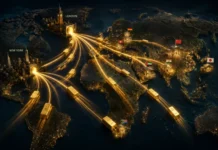
Simply put, most of the world is dependent to some degree on energy imports from the Gulf Kingdoms, while Iran provides pretty much nothing to most of them since few apart from China are willing to defy the US’ secondary sanctions threats by significantly trading with it. They therefore stand to lose much more from the disruption of Gulf Kingdoms’ energy exports caused by Iran’s attacks against them than from the joint US-Israel campaign against Iran that’s devastating the Islamic Republic.
The international community’s lack of any meaningful economic relationship with Iran at the start of the Third Gulf War sharply contrasts with the relationship that they had with Russia at the start of NATO’s proxy war on it through Ukraine that entered its most intense phase four years ago. Back then and still to this day to a large extent, many of them were dependent to some degree on its agricultural, energy, and/or fertilizer exports, ergo why they all in some way defied the US’ secondary sanctions threats.
Even though most of the international community voted to condemn Russia at the UNGA, they all still retained some level of their commodity imports from it, including the EU. They and their US patron did agree to a so-called “price cap” for limiting Russia’s oil profits, but the point is that even they acknowledged that the world could not continue to function if these exports were instantly cut off. The US has since tried to wean everyone off of them, but this is no longer possible amidst the global oil crisis.
In any case, this insight enables one to retrospectively conclude that the World Majority’s defiance of the US’ secondary sanctions threats vis-à-vis maintaining trade with Russia was driven by their self-interests, not by their collective commitment to some nebulous multipolar principle. Likewise, the same goes for why most of them just condemned Iran at the UN by cosponsoring the latest Security Council Resolution, which was also in their interests to do no matter how much it disappointed some multipolar enthusiasts.
At the end of the day, the lack of any meaningful economic relationship with Iran predetermined that the majority of the world would support any resolution against it if unofficially forced to choose between the Islamic Republic and the Gulf Kingdoms to whom they’re dependent to some degree on energy imports. This is the cold reality of International Relations, which is an unpleasant reminder to the well-intentioned activists who want to change the way that the world works that this is a lot easier said than done.